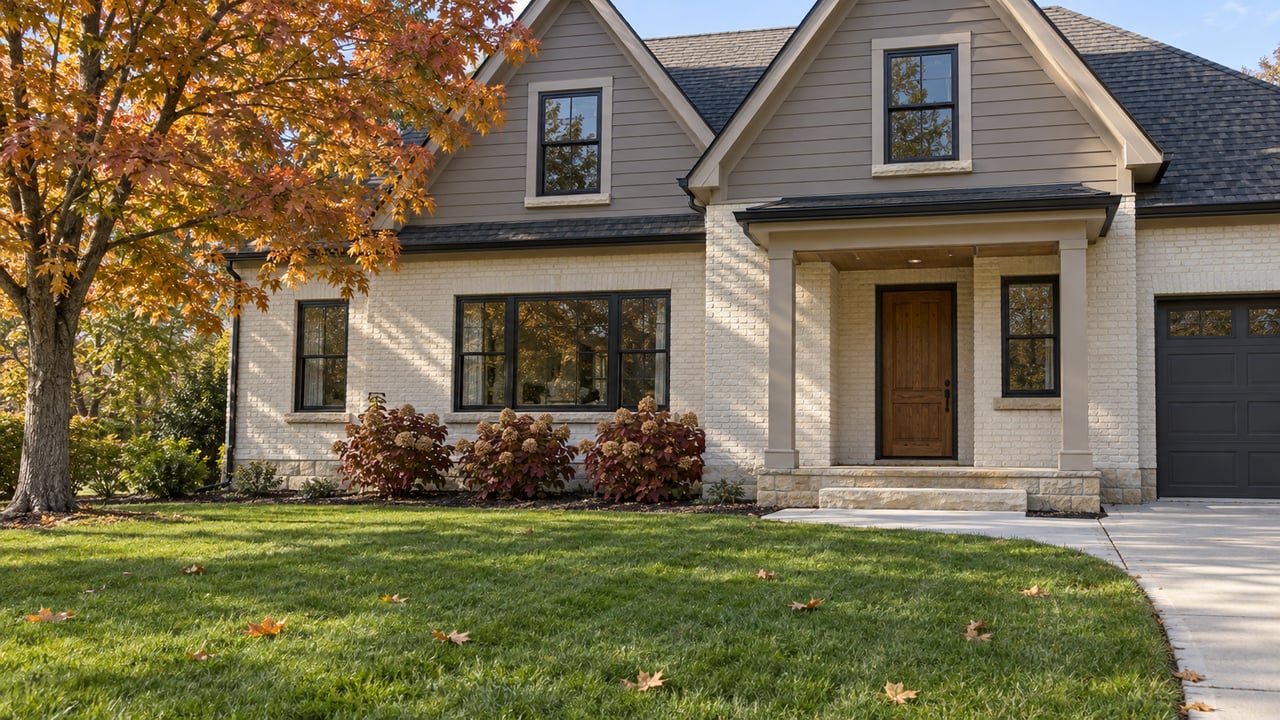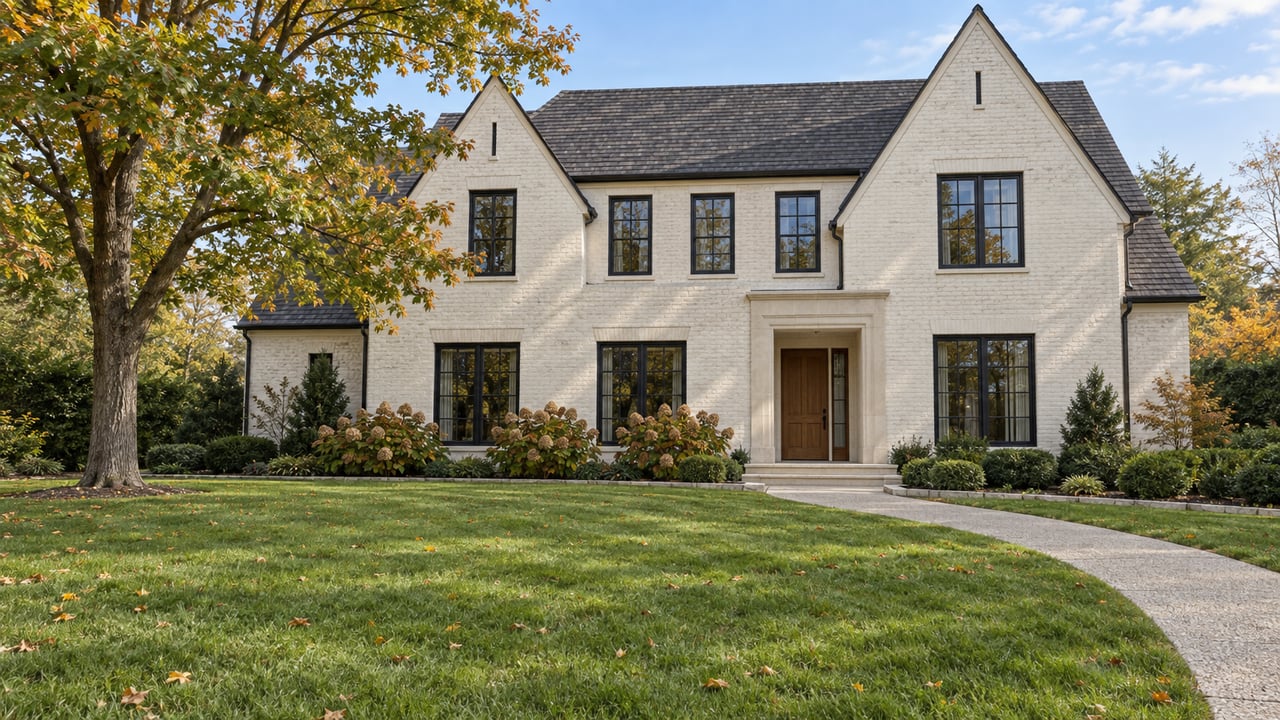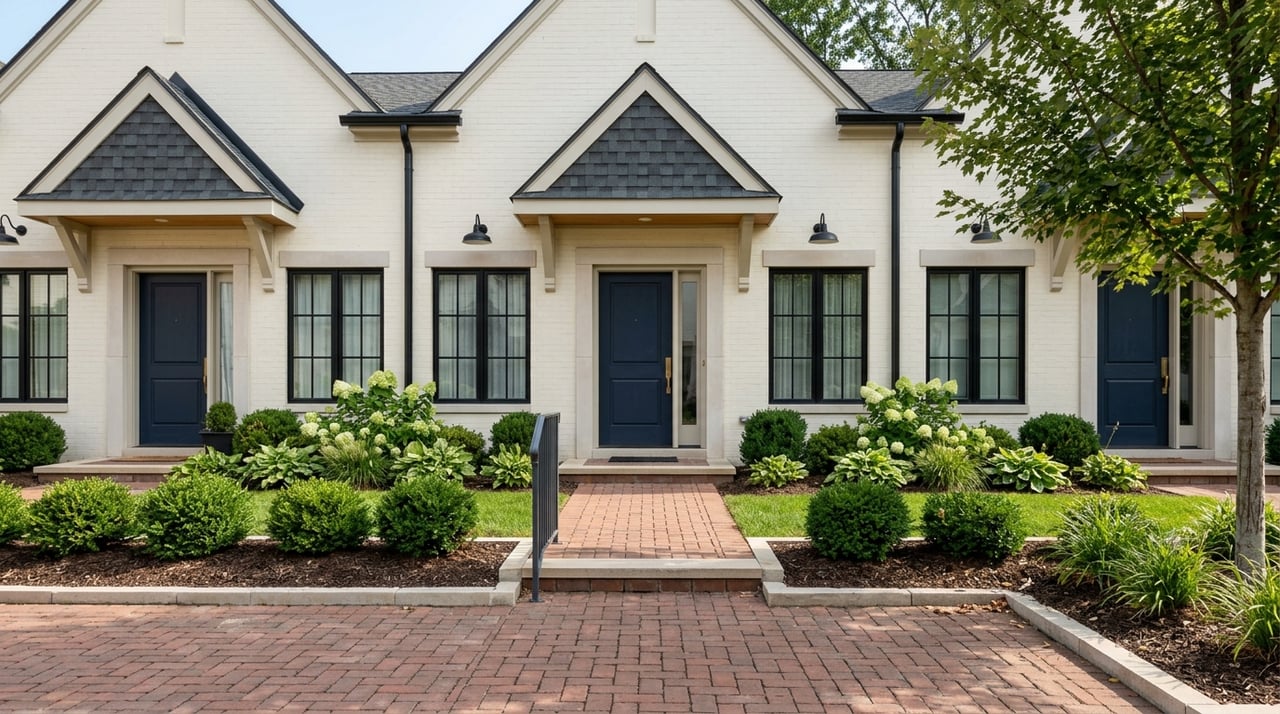
Wondering whether a condo or townhome is the right way to buy into Glen Ellyn? You are not alone. For many buyers, attached homes offer a practical path to lower-maintenance living, better access to transit and daily conveniences, and a different price point than a detached house. If you are weighing your options in this market, this guide will help you understand pricing, lifestyle tradeoffs, community types, and the association details that matter most. Let’s dive in.
Why attached homes matter in Glen Ellyn
Glen Ellyn is still largely a detached single-family community. Local village planning documents say about 64 percent of housing units are single-family detached, and the zoning code has long favored larger-lot homes.
At the same time, the village is actively planning for more housing variety. That includes condos, townhomes, duplexes, and other attached homes near Downtown Glen Ellyn, Roosevelt Road, Swift Road, and College of DuPage. For you as a buyer, that means attached homes are an important part of Glen Ellyn’s housing mix, especially if you want a lower-maintenance option or a smaller footprint.
Condo vs. townhome basics
A condo usually means you own the interior space of your unit while shared elements are maintained by the association. That can include hallways, roofs, exterior walls, elevators, grounds, and shared amenities, depending on the legal documents.
A townhome can look and feel more like a house, often with multiple levels, a private entrance, and sometimes a garage. But the ownership structure can vary. Some townhomes are part of a condominium-style association, while others are part of a common-interest community with different maintenance responsibilities.
That is why the floor plan is only part of the decision. You also need to know what you own, what the association maintains, and what rules apply to parking, pets, rentals, and future updates.
Glen Ellyn price ranges to expect
Attached homes in Glen Ellyn can offer a lower entry point than the village’s overall housing market, but the range is wide. As of spring 2026, the median sale price for all Glen Ellyn homes was about $572,000. In the same snapshot, condos for sale had a median listing price of about $277,000, while townhouses for sale had a median listing price of about $558,000.
That spread tells you something important. A condo may be a more approachable starting point, while a townhome can overlap with single-family pricing depending on size, age, and location.
There is also an upper tier within attached housing. For example, a pair of 2025-built Glen Ellyn townhomes on Harding Court were listed around $980,000 to $995,000, with monthly HOA dues of $500. In other words, attached living in Glen Ellyn is not one-size-fits-all.
Lifestyle perks of Glen Ellyn condos and townhomes
For many buyers, the appeal is not just price. It is how the home fits your daily life. A condo or townhome can reduce exterior upkeep, limit weekend chores, and place you closer to the places you use most.
That can matter a lot in Glen Ellyn. The downtown Union Pacific West Metra station is a major local asset, and the village has said it was the second busiest stop on that line before the pandemic and the ninth busiest non-downtown station in the Metra system. Village plans for the station area also focus on better ADA access, pedestrian safety, bike access, and connections to the Illinois Prairie Path.
Outdoor access is another plus. The Glen Ellyn Park District maintains 29 parks, playgrounds, or natural areas, and local trail connections include Lake Ellyn Park, the Prairie Path, and the Great Western Trail. If you want convenience and lower maintenance without giving up access to outdoor space, attached housing can check a lot of boxes.
What local communities can look like
Glen Ellyn’s condo and townhome options span older established communities and newer construction. That variety is helpful because it gives you different combinations of price, layout, amenities, and maintenance style.
Older condo communities
Royal Glen Condominiums is one example of an established condo community. The community identifies 235 units across four multi-unit buildings, with 0-, 1-, and 2-bedroom homes. Community descriptions also note features such as elevator service, an exercise room or health club, steam room and sauna, a pool, clubhouse, party room, bike room, and water views.
For you, an older condo building may offer amenities and a more accessible price point, but you will want to pay close attention to the association’s budget, reserves, and long-term maintenance planning.
Established townhome communities
Maryknoll Townhomes of Glen Ellyn is a 43-unit townhome community that began construction in 1978 and was completed in 1991. The official community information highlights a common firepit, a private walking path connecting to nearby areas, proximity to Maryknoll Park, and convenient access to Roosevelt Road, I-355, and nearby services.
Communities like this can appeal to buyers who want more separation than a condo building often provides, while still benefiting from shared maintenance and a more manageable property footprint.
Newer townhome options
Maple Wood Estates represents a newer townhome style in Glen Ellyn. Builder information highlights wooded views, a walking path around a pond, three floor plans, and convenient access to I-355, I-88, the Metra platform, and nearby shopping and dining.
Newer townhomes often appeal to buyers who want open layouts, attached garages, and a more current design. Still, newer does not automatically mean fewer questions. You should review association responsibilities and monthly costs just as closely as you would in an older community.
Condo or townhome vs. a single-family home
A detached house usually gives you more land, more privacy, and more direct control over the property. In exchange, you typically take on more exterior maintenance, more yard work, and more repair responsibility.
A condo or townhome often flips that tradeoff. You may have less private outdoor space, but you also may have fewer maintenance tasks and access to shared amenities or common grounds.
In Glen Ellyn, that tradeoff can make attached homes a strong fit if you value location, transit access, walkability, and lower-maintenance living. That is especially true in a village where detached homes still dominate and smaller attached options remain relatively limited.
The HOA details you cannot skip
When you buy an attached home in Illinois, the association documents are a big part of the purchase. For condominiums, the Illinois Condominium Property Act requires annual budgets to provide for reasonable reserves for capital expenditures and deferred maintenance unless owners waive that requirement by a two-thirds vote. If reserves are waived, that waiver must be disclosed.
On a resale, the association must provide important documents and disclosures. These include the declaration, bylaws, rules, unpaid assessments and liens, anticipated capital expenditures, reserve status, financial condition, pending suits or judgments, and insurance information. Many townhome-style common-interest communities have similar resale disclosure requirements under Illinois law.
That means your due diligence should go well beyond the monthly HOA number. Low reserves, weak financials, or an expected special assessment can directly affect your costs and your comfort level as an owner.
Questions to ask before you make an offer
When you tour a Glen Ellyn condo or townhome, use a checklist that covers both lifestyle and finances. Here are smart questions to ask:
- What does the HOA fee cover, and what does it not cover?
- How strong are the reserves?
- Is there a recent reserve study?
- Are any special assessments recent, pending, or likely?
- What does the association maintain versus what you maintain?
- What parking, guest parking, storage, or bike space comes with the unit?
- What are the pet, rental, and move-in or move-out rules?
- What does the master insurance policy cover?
- What additional HO-6 coverage will you need?
- How convenient is the location to Metra, downtown, parks, trails, and everyday errands?
- If it is a townhome, is it condo-style or fee simple?
- Which exterior components are your responsibility?
These questions can help you compare two properties that look similar on the surface but operate very differently once you own them.
How to buy smarter in Glen Ellyn
In Glen Ellyn, attached homes deserve careful review because supply is still relatively limited compared with detached housing. That can make desirable units stand out quickly, especially if they offer a strong location, practical layout, and manageable monthly costs.
The best approach is to balance three things at once: the home itself, the association, and the location. A great kitchen or updated bath does not make up for weak reserves or unclear maintenance obligations. On the other hand, a well-run association in a convenient location can add real day-to-day value.
If you are deciding between a condo, a townhome, and a detached house, it helps to compare the full monthly picture. That includes purchase price, HOA dues, insurance, likely maintenance, and how the property fits your routine. A home that feels easier to live in can be the better long-term move, even if it looks different from what you first imagined.
Buying in Glen Ellyn is easier when you have local guidance and a clear plan. If you want help comparing condos, townhomes, and other homes across Glen Ellyn and nearby western suburbs, connect with The Lance Kammes Team for practical advice and a less stressful buying experience.
FAQs
What should you know about HOA fees in a Glen Ellyn condo or townhome?
- HOA fees can cover shared maintenance, amenities, insurance, and common areas, but coverage varies by community, so you need to review exactly what is included and what is not.
What documents should you review before buying a Glen Ellyn condo?
- You should review the declaration, bylaws, rules, reserve information, budget details, unpaid assessments, insurance information, and any disclosures about pending lawsuits or capital projects.
Are townhomes in Glen Ellyn always cheaper than single-family homes?
- No. Townhome pricing in Glen Ellyn ranges widely, and some newer townhomes can be priced close to or even within the upper end of the market.
Why are reserves important when buying a Glen Ellyn attached home?
- Reserve strength matters because it helps show whether the association is financially prepared for major repairs and deferred maintenance, which can affect the risk of future special assessments.
Is a Glen Ellyn condo or townhome a good fit for commuters?
- It can be, especially if you value access to the Glen Ellyn Metra station, downtown amenities, bike connections, and a lower-maintenance lifestyle.
What is the difference between a condo and a townhome in Glen Ellyn?
- A condo usually centers on ownership of the unit interior with shared common elements, while a townhome often offers a more house-like layout, though the legal ownership and maintenance structure can vary by community.