If your home makes a strong first impression, buyers often decide how they feel before they ever reach the second room. In West Chicago, that matters. Even in a market where homes still attract attention, buyers are comparing condition, presentation, and how move-in ready a property feels. This guide will show you where to focus your staging efforts, what today’s buyers notice first, and how to prepare your home for photos, showings, and launch week. Let’s dive in.
Why staging matters in West Chicago
West Chicago remains competitive, but buyers still have standards. Over the three months ending April 2026, homes received an average of 9 offers, sold in about 49 days, and closed at a median price of $382,303. In broader DuPage County, the median sale price was $442,763 and the median market time was 43 days over the same period.
That means presentation can help your home stand out, especially when buyers are watching value closely. In a city where about 70.9% of homes are owner-occupied and much of the housing stock is single-unit, buyers are often thinking about daily function, upkeep, and whether a home feels ready for real life right away.
What today’s buyers notice first
Buyers do not walk through a home like a checklist. They react to how it feels, how it photographs, and how easily they can picture themselves living there. According to the National Association of Realtors 2025 staging research, buyers’ agents said the most important rooms to stage are the living room, primary bedroom, and kitchen.
That lines up with what sellers’ agents stage most often. The living room leads the way, followed by the primary bedroom, dining room, and kitchen. If your budget is limited, these are usually the first spaces worth your time and money.
Online presentation matters just as much as the in-person visit. NAR reports that 52% of buyers found the home they purchased online, and 81% said listing photos were the most useful feature in their search. That means your staging plan should support both showing day and photo day.
Start with the highest-impact basics
You do not need magazine-level decorating to make your home more appealing. In fact, the most common staging recommendations are also the most practical. NAR defines staging as cleaning, decluttering, repairing, depersonalizing, and updating the home so buyers can picture themselves in it.
The top seller-agent recommendations in 2025 were:
- Decluttering
- Cleaning the entire home
- Improving curb appeal
These steps matter because they remove distractions. They also help your home feel larger, brighter, and better maintained without requiring a full redesign.
Focus on these rooms first
Stage the living room
The living room often sets the tone for the rest of the showing. Buyers’ agents ranked it as the most important room to stage, so it should feel open, comfortable, and easy to understand.
Pull back oversized furniture if the room feels tight. Clear side tables, reduce excess decor, and create a simple conversation area. You want buyers to notice the room itself, not your stuff.
Refresh the kitchen
You do not need a full remodel to improve kitchen appeal. Clean counters, wipe every surface, organize what is visible, and remove anything that makes the room feel crowded.
A clean, bright kitchen reads as more usable. Buyers often pay attention to maintenance and functionality here, so even small presentation upgrades can help the space feel more inviting.
Calm the primary bedroom
The primary bedroom should feel restful and spacious. Use simple bedding, reduce personal items, and keep furniture to only what the room needs.
If the room doubles as storage, now is the time to edit. Buyers respond better when they can see clear floor space and imagine an easy daily routine.
Define any flex space
Today’s buyers are often looking for flexible rooms. NAR notes strong buyer interest in spaces that can work for a home office, guests, or other everyday needs.
If you have a bonus room, loft, den, or finished basement corner, give it a clear purpose. A small desk, chair, and lamp can help a room read as an office. A neatly made bed and minimal furniture can help it read as guest space. Clarity helps buyers connect the dots.
Do not overlook curb appeal
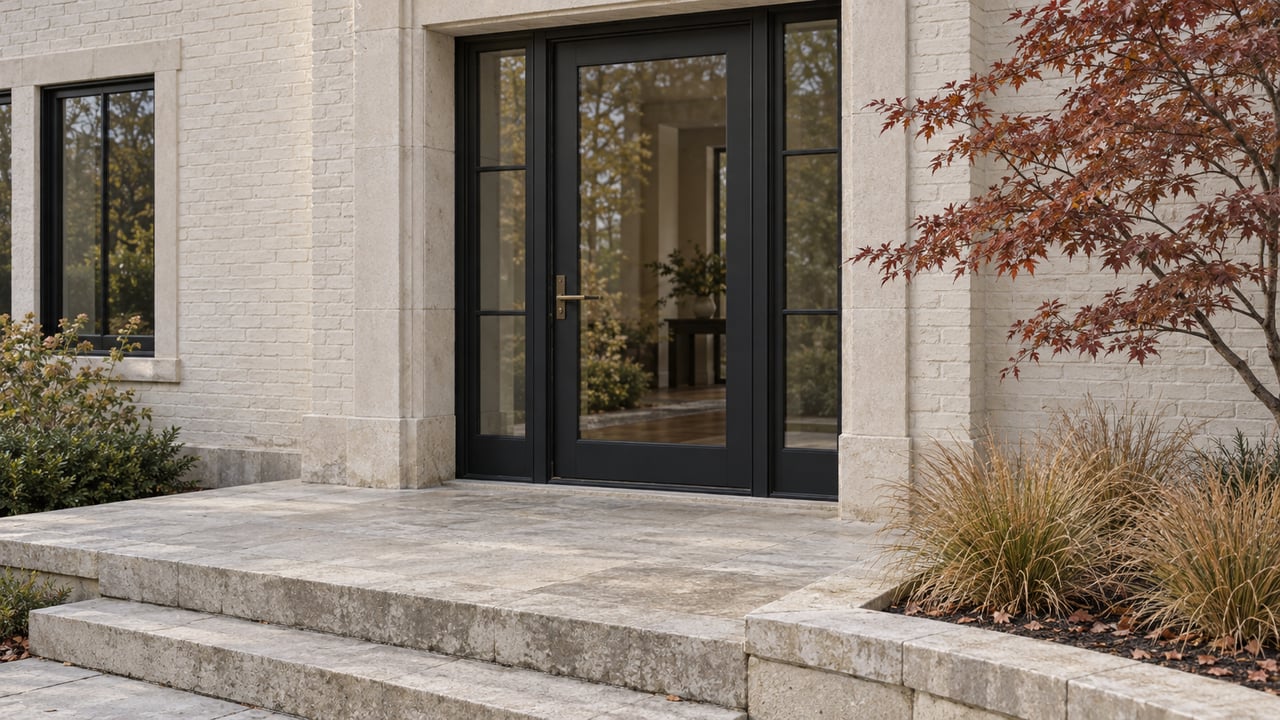
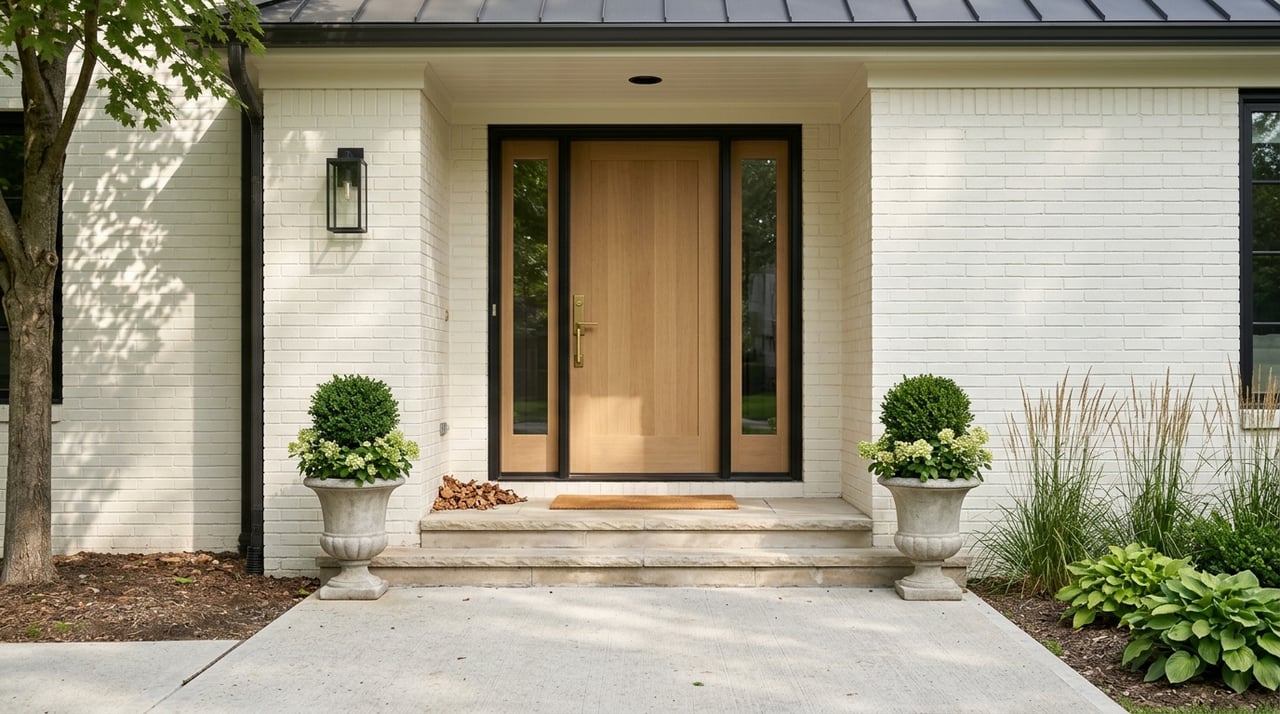
Before buyers notice your kitchen or living room, they see the front of the house. Curb appeal shapes the first impression from the street and from the first listing photo.
NAR’s front-yard staging guidance recommends simple, budget-friendly updates like refreshing the front door, improving lighting, adding potted plants or a wreath, laying fresh mulch, manicuring landscaping, and removing outdoor clutter. These are small moves, but together they can make your home feel more cared for from the start.
For many West Chicago sellers, this is one of the best places to invest early effort. A clean entry and tidy front yard signal that the rest of the home has been maintained too.
Prep for photos before you go live
Your home should be camera-ready before the listing hits the market. Buyers rely on saved searches and alerts, and the first days online often shape how much attention a listing gets.
NAR reports that strong first photos can outperform a simple wide-room overview, and that early views, saves, and shares can influence traction. That is why staging should be finished before launch week, not after the listing is already active.
Use this simple pre-photo checklist:
- Clear kitchen and bathroom counters
- Open window treatments
- Turn on all lights
- Neutralize odors
- Swap in clean towels
- Wipe mirrors and surfaces
- Organize the refrigerator if it may be shown
- Remove valuables and personal items
The goal is accuracy, brightness, and cleanliness. Overly edited photos can create disappointment when buyers arrive in person, so polished and realistic is better than dramatic.
Match buyer expectations with reality
Today’s buyers see a lot of beautifully presented homes online. NAR found that 48% of agents said buyers expected homes to look like TV-staged properties, and 58% said buyers were disappointed when the home did not match those expectations.
That does not mean you should overstage your home. It means you should present it honestly and well. Clean styling, good light, and thoughtful editing usually do more than trendy decor or heavy photo editing.
Keep your budget in the right places
Staging does not have to mean a major expense. NAR reported a median cost of $1,500 for staging services, compared with $500 when the seller’s agent handled staging themselves.
For many West Chicago homeowners, the best cost-to-impact plan is simple:
- Deep clean the home
- Declutter every main living area
- Improve the entry and front yard
- Prioritize the living room, kitchen, and primary bedroom
- Define one bonus or flex space
- Finish all prep before photography
That approach supports what buyers care about most without overspending on low-impact changes.
Staging should never hide defects
Good staging helps buyers focus on the home’s strengths. It should never be used to cover up problems that belong in a disclosure or repair discussion.
Illinois law requires sellers of residential real property to provide the Residential Real Property Disclosure Report before the contract is signed. Sellers must disclose material defects they actually know about and must supplement the report before closing if they learn of an error, inaccuracy, or omission.
If your home was built before 1978, federal law also requires disclosure of known lead-based paint information, a lead warning statement, the EPA pamphlet, and a 10-day opportunity for the buyer to conduct a paint inspection or risk assessment.
In practical terms, cosmetic polish is fine, but concealment is not. If you are unsure whether an issue is simply presentational or should be disclosed, ask your listing agent and, if needed, an Illinois real estate attorney.
Plan your launch week carefully
A rushed listing can waste your best window of attention. Since the first few days online matter, it is smart to complete staging, cleaning, and photography before the home goes live.
NAR also notes that holding the first open house the weekend after the home goes on the market can help maximize exposure. That makes timing important. You want the home fully ready before buyers start seeing it online and in person.
In West Chicago, the strongest approach is usually the simplest one: present a clean, functional, welcoming home that photographs well and feels true to what buyers will experience in person. If you want help deciding where to focus before you list, The Lance Kammes Team can help you create a practical prep plan that fits your home, your timeline, and your goals.
FAQs
What rooms should you stage first in a West Chicago home?
- The best places to start are the living room, primary bedroom, and kitchen, then any flex room that can clearly function as an office, guest room, or similar everyday space.
How important are listing photos when selling a West Chicago home?
- Listing photos are extremely important because many buyers find homes online first, and NAR reports that photos are the most useful feature for most buyers during their search.
What are the most affordable staging steps before selling a West Chicago home?
- The highest-value low-cost steps are decluttering, deep cleaning, improving curb appeal, clearing counters, opening window coverings, and making sure the home is bright and photo-ready before launch.
Should you stage outdoor spaces when selling a West Chicago home?
- Yes, usable outdoor areas can matter to today’s buyers, and a clean front entry, tidy yard, and simple landscaping updates can strengthen your home’s first impression.
Can staging hide problems in an Illinois home sale?
- No, staging should improve presentation but not conceal known material defects, which Illinois sellers are required to disclose in writing before a contract is signed.
When should you finish staging before listing a West Chicago home?
- Ideally, staging, cleaning, and photography should all be completed before the home goes live so the listing makes a strong first impression from day one.