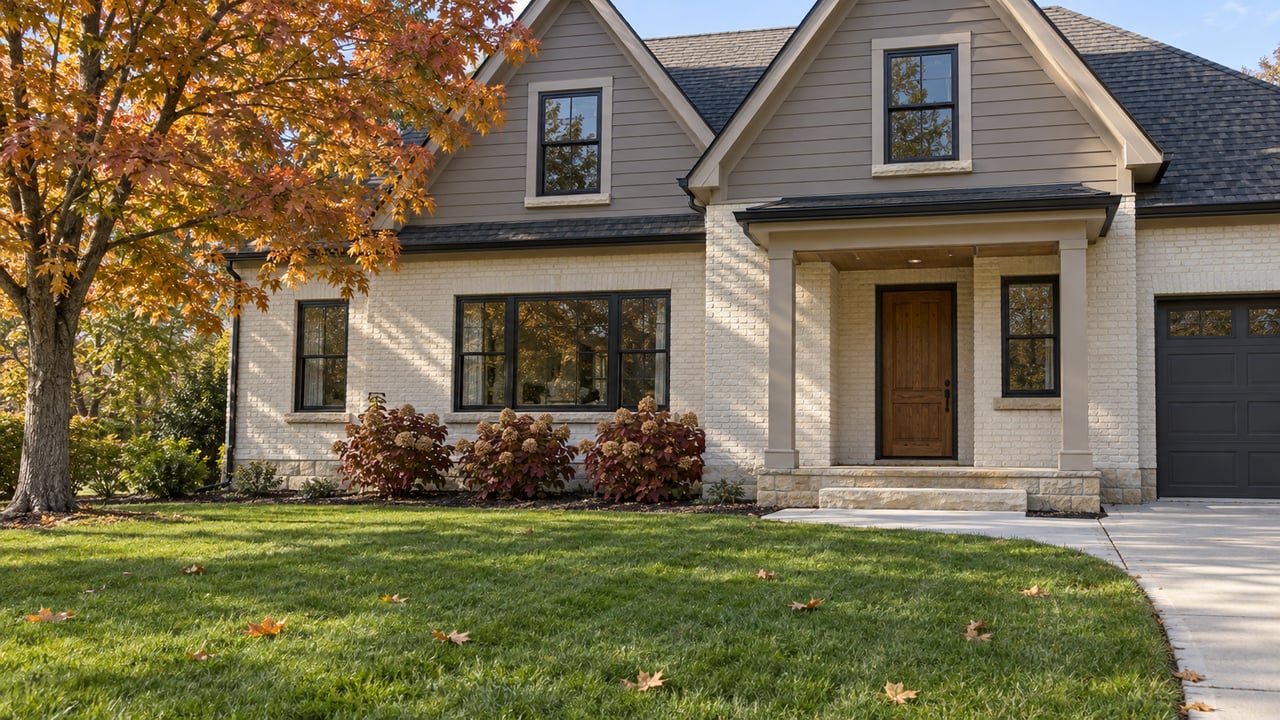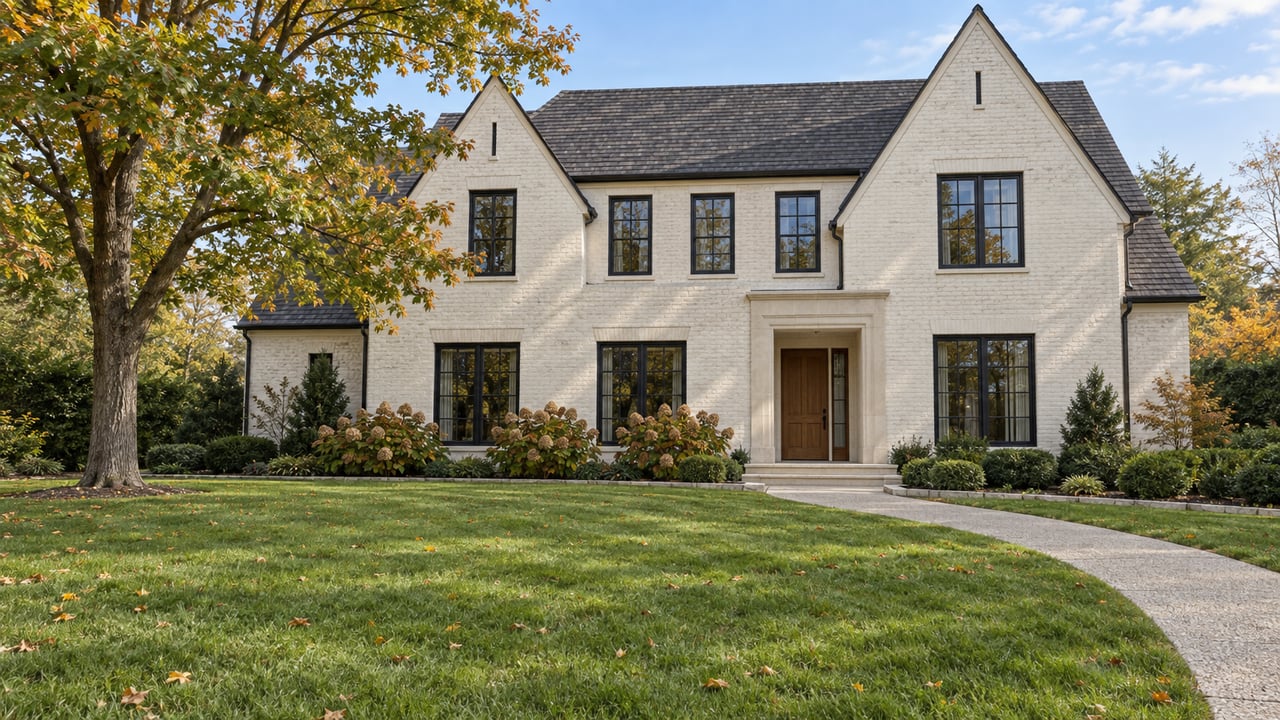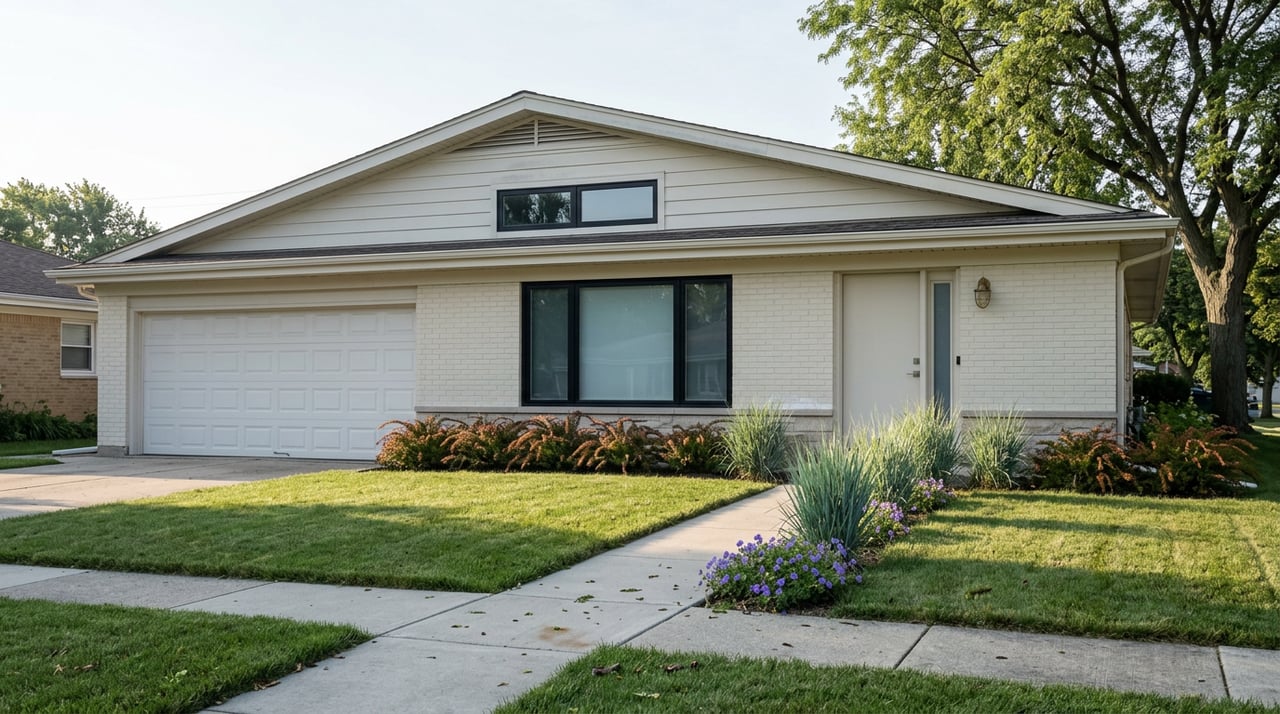
Two listings, three blocks apart, same asking price, same school pickup line down the street. A buyer working through West Chicago right now could reasonably assume the annual cost of owning either one would land in the same range. That assumption is where a lot of West Chicago house hunts go sideways, because the city sits on top of a boundary that never shows up in a listing description: West Chicago is one of the few municipalities in this part of Illinois that physically spans two counties, DuPage and Kane, and the county line does something a floor plan never will. It can change the property-tax picture for a home.
Most of West Chicago's 15 square miles sit inside DuPage County, running along the county's western edge. But a portion of the city crosses into Kane County, and that sliver has a different effective tax rate and its own track record of what homeowners actually pay each year. If you are comparing two houses inside city limits, the sale price is only half the math.
How the County Line Affects Property Taxes
Every property in Illinois gets its market value determined by a township or county assessor, then taxed at a rate set by the overlapping school, park, fire, and library districts that cover that specific parcel. In most suburbs, that whole process runs through a single county office. In West Chicago, it does not.
Two homes can share a city name on the mailbox and often the same 60185 ZIP code, yet still have different tax details.
What the Split Actually Costs
The rate difference is not trivial. Property tax data compiled by Ownwell puts the median effective property tax rate on the DuPage County side of West Chicago at 2.68 percent, well above both the Illinois state median of 2.33 percent and the national median of 1.02 percent. On the Kane County side, the median effective rate runs lower, at 2.40 percent, though it still sits above the statewide median.
| DuPage County side | Kane County side | |
|---|---|---|
| Median effective tax rate | 2.68% | 2.40% |
| Median annual tax bill | $7,112 | $5,550 |
Run that spread on a $400,000 purchase and the difference in effective rate alone is worth roughly $1,100 a year, before you even account for the specific school and park district levies attached to that parcel. A buyer comparing two similarly priced homes without checking which county each one sits in is comparing incomplete numbers.
One Bill, Paid a Year Late
There is a wrinkle here that trips up first-time buyers regardless of which side of the line they land on. According to JVM Lending, Illinois property taxes are billed in arrears. The tax bill you see arrive in 2026 reflects the assessed value from 2025, not the current year. That means a home that just sold, been remodeled, or changed ownership can carry a tax bill that has not yet caught up to what the county now thinks it is worth. It is worth asking your agent or attorney to pull the most recent assessment notice, not just the most recent tax bill, when you are sizing up carrying costs on a specific address.
Why This Matters More Right Now
West Chicago is not a slow market to be casually shopping in this year. Over the three months ending in May 2026, the median sale price for a home in West Chicago ran $420,000, up 20.3 percent from the same period a year earlier, with the typical listing pulling around seven offers and going under contract in roughly 43 days. That is a fast, competitive stretch by any suburban standard.
The state-level backdrop explains part of why. Illinois Realtors reported the statewide median sale price at $338,000 in July 2026, a 6 percent increase from the year before, driven largely by a construction shortfall. The organization's leadership has been blunt about the scale of the problem, framing the current pace of new-home building as far short of what would be needed to meet demand over the next several years, according to reporting from WTTW.
When inventory is tight and offers come in fast, buyers tend to focus on winning the house, not on which assessor's office will be sending the tax bill. That is exactly the moment when the county line question gets skipped, and exactly the moment it is most worth ten extra minutes of due diligence.
What West Chicago Is Investing In Right Now
Separate from the tax math, the city itself is putting real money into its core this year. West Chicago's 2026 budget funds the Downtown Modernization and Beautification Project, a state-supported effort through Illinois's Rebuild Downtowns and Main Streets grant program that will upgrade water mains, replace lead service lines, and rebuild the sanitary sewer system downtown, alongside streetscape and lighting work meant to support the restaurants and shops along Main Street. The city has also launched InWestChicago.com as a public tool for tracking downtown vacancies and redevelopment opportunities, and it updated its zoning code this year specifically to make it easier for new businesses to open downtown.
None of that changes which county collects your tax bill. It does mean that the physical experience of living in West Chicago, walkable Main Street, updated infrastructure, fewer empty storefronts, is trending upward regardless of which side of the county line your specific address falls on.
What To Actually Do Before You Make an Offer
- Ask your agent to confirm which county a specific parcel sits in before you compare it against another listing. The ZIP code alone will not tell you.
- Pull the property's most recent assessment notice, not just last year's tax bill, since Illinois taxes are billed a year behind the current assessment.
- If you are comparing two homes at similar prices, run the effective rate for each one's actual county rather than assuming a flat West Chicago average.
- If you plan to appeal an assessment after closing, confirm the process before filing.
FAQ
Does the county line also affect which school district a West Chicago address is zoned for? School district boundaries and county lines are set independently in Illinois, so a home's county does not by itself determine its school assignment. Confirm school district boundaries separately through the district itself rather than assuming they track the county line.
Can I find out which county a specific West Chicago address is in before I tour it? Yes. The parcel identification number listed on a property record will indicate which county assessor's office issued it, and your agent or a title company can confirm this in minutes if it is not immediately clear from the listing paperwork.
If you are weighing two West Chicago addresses right now and want the real math on what each one will actually cost you to hold, not just to buy, that is exactly the kind of local homework the Lance Kammes Team does before you ever write an offer. Reach out for a free home valuation and a straight answer on what a specific address, and its county line, actually means for your bottom line.
This article is general information, not legal, tax or financial advice. Consult a qualified professional about your situation.