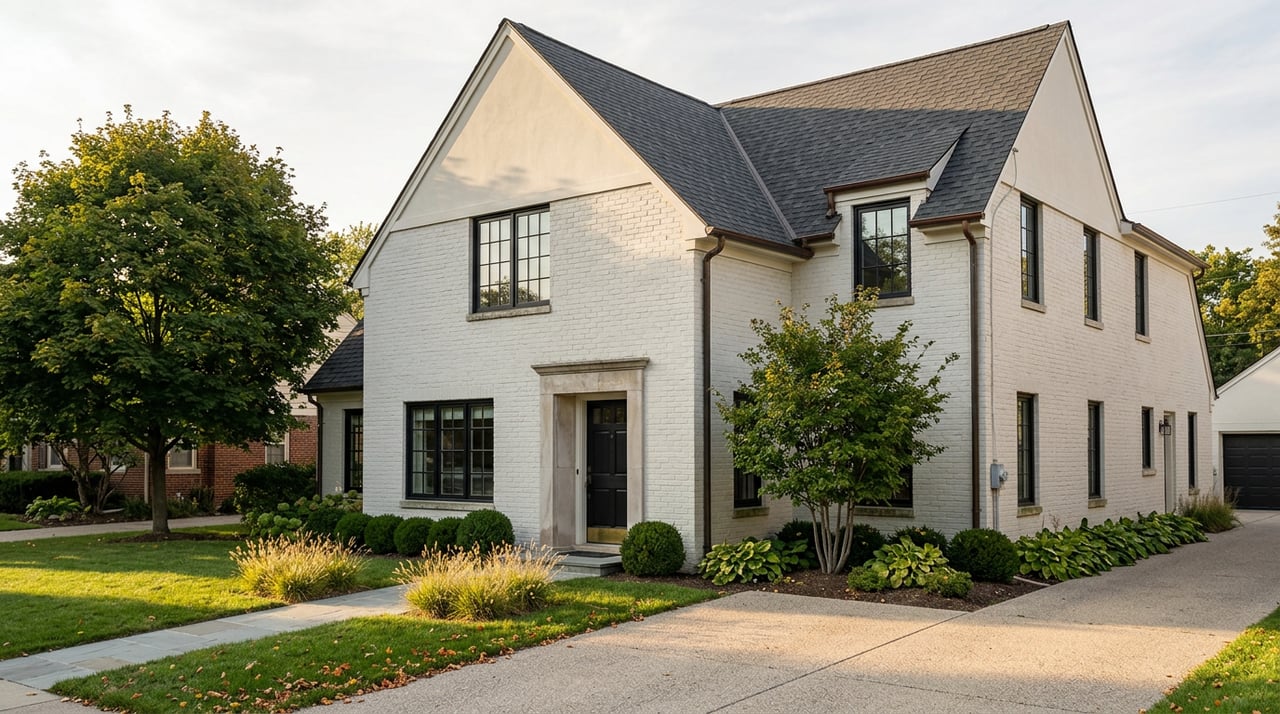
A buyer under contract on a 1960s ranch near Lincoln Marsh got the short-term radon test back three days before closing. The number came in at 5.8 picocuries per liter. Their first move was to pull up the county map everyone in Wheaton cites during negotiations, the one that colors DuPage as moderate risk. The map said one thing. The device sitting in the basement said another. That gap is the whole story.
The map was never built for your basement
The EPA's Map of Radon Zones sorts every county in the country into one of three tiers based on geology, aerial radioactivity readings, and soil data collected decades ago. Illinois has 56 counties in the highest tier, Zone 1, and dozens more split across Zones 2 and 3. The EPA's own documentation is blunt about what the map is for and what it isn't. The agency states plainly that homes with elevated levels have been found in all three zones and that the map should not be used to determine if an individual home needs to be tested.
That caveat matters more in a county like DuPage than almost anywhere, because the "average" number attached to a given zip code is often built on a small handful of self-reported readings, not a systematic survey of every basement. One radon-data aggregator lists Wheaton's average indoor level at 4.0 pCi/L, right at the EPA's action threshold, based on a single user-submitted test. A county-level zone classification and a one-home average both get treated like settled facts in casual conversation. Neither one tells you what's happening under your slab.
Why this happens house by house, not street by street
Radon migrates up through soil and rock into a structure through foundation cracks, sump pits, floor drains, and gaps around utility lines. The gas doesn't respect property lines or subdivision boundaries. Two houses on the same Wheaton block, same era, same builder, can post different readings because of small variations in how the foundation was poured, whether the crawlspace was ever sealed, or how the soil settled underneath. Illinois's own public health guidance describes this as a function of the soil and rock beneath a specific structure, which is exactly why the state built a testing requirement into every transaction rather than relying on the zone map to do the work.
What Illinois law actually requires (and doesn't)
Two pieces of Illinois law govern this: the Radon Awareness Act and the Illinois Real Property Disclosure Act. Together they require that a seller give the buyer a state radon pamphlet and disclose any known test results before closing. What they do not require is that anyone test in the first place. A seller who has never tested has nothing to disclose. That's the loophole that puts the burden on the buyer's side of a Wheaton transaction, and it's why skipping the test to save time or move a contract faster is the single most common way this issue gets missed until it's too late to negotiate cleanly.
What a test and a fix actually cost
The numbers below reflect current pricing from Wheaton-area inspection and radon service providers as of late 2025 and early 2026.
| Item | Typical Cost | Typical Timeline |
|---|---|---|
| Short-term radon test (add-on to inspection) | $150 to $250 | A few days |
| Long-term radon test | Varies, less common in transactions | 90 days |
| Radon mitigation system, installed | $800 to $2,500 | Usually completed in a day |
| Full home inspection, single-family in Wheaton | Around $395 base | Half a day on site |
A sub-slab depressurization system, the standard fix, typically brings a home's reading down by close to 99 percent. That's the good news buried in this whole issue: once you know your actual number, the fix is fast, contained to a single day of work, and doesn't usually threaten a closing timeline the way a structural or roofing issue would.
What else Wheaton's older housing stock tends to surface
Radon isn't the only thing that separates a Wheaton inspection from a generic one. Local inspectors who work the area regularly point to a specific cluster of findings tied to the age of the housing stock: aging sewer lines, outdated knob-and-tube wiring, and furnaces nearing the end of their service life show up often enough in homes near downtown and the older neighborhoods around Wheaton College that they're treated as routine checklist items rather than surprises. None of these are unique to any one street. They're a function of a city where a meaningful share of the housing stock predates modern electrical and plumbing codes.
Inspection pricing in Wheaton scales with property type. Condos typically start around $325, townhomes around $360, single-family homes around $395, and the average total bill including common add-ons like radon testing or a sewer scope lands near $625. Larger or custom homes, and Wheaton has a fair number of those, run higher once you factor in additional square footage and specialty systems.
How this actually plays out at the closing table
Here's the sequence that matters if you're on either side of a Wheaton contract right now.
- The buyer orders a short-term radon test as part of the inspection, not as an afterthought.
- If the result comes back at or above the EPA's action level of 4.0 pCi/L, mitigation becomes a negotiating point, not an automatic deal-breaker.
- The seller isn't obligated to have tested beforehand, so a first-time reading during the buyer's inspection window is common, not a red flag on its own.
- A mitigation system typically installs in a single day, which means it rarely needs to delay a closing date once both sides agree on who pays.
- An older mitigation system already in the house doesn't get a pass. Radon levels shift over time, and a system installed years ago may not be keeping pace with current conditions.
The friction isn't the fix. It's the assumption that a county classification or a neighbor's old test result stands in for your own reading. That assumption is what turns a routine $150 to $250 test into a last-minute scramble three days before closing.
Before you waive radon testing in Wheaton
A short list worth reviewing before either side signs off on skipping this step:
- Don't accept a seller-provided test result at face value. Illinois guidance recommends an independent test specifically because levels shift season to season and year to year.
- Don't assume a home with an existing mitigation system is in the clear. Ask when it was installed and whether it's been retested since.
- Don't rely on a zip-code average to predict your specific result. The sample behind that average may be a fraction of the homes on your actual street.
- Do request a licensed tester. Illinois runs a state credentialing program through IEMA specifically so buyers and sellers aren't relying on unlicensed guesswork during a transaction.
FAQ
Does a low radon reading stay low forever? No. Radon levels can shift with seasonal changes in soil moisture and air pressure, which is part of why Illinois public health guidance recommends retesting roughly every two years even in a home that's tested clean before.
If the home already has a mitigation system, do I still need to test? Yes. A system installed years ago may not be performing at the same level today, and the only way to confirm it's still working is a fresh test, not the presence of the equipment.
Is a DIY test kit good enough for a real estate transaction? Hardware store kits work for personal peace of mind, but transactions typically call for a licensed tester so the result carries weight in negotiations and holds up if either side wants to revisit it later.
Who usually pays for mitigation if the test comes back high? That's a negotiated point, not a fixed rule. In practice, many Wheaton contracts resolve it with a credit or a split, since the fix itself is inexpensive relative to the average cost of a suburban Chicago home.
None of this is legal or medical advice, and every contract situation carries its own details worth reviewing with your attorney. But if you're buying or selling in Wheaton and want someone who's walked through this exact conversation at plenty of closing tables, The Lance Kammes Team can walk you through what a specific property's inspection and disclosure picture actually looks like before you're staring at a number three days out from closing.